
 Available in US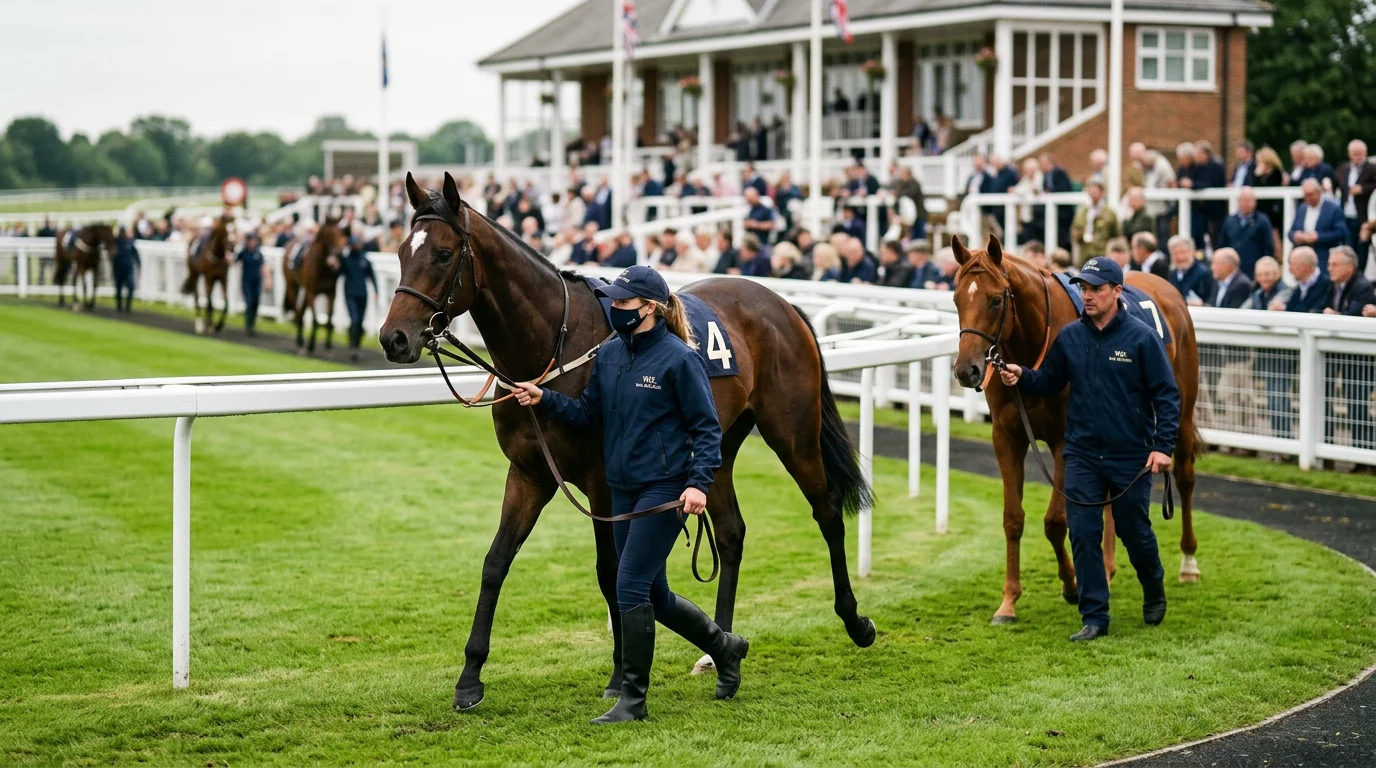
Two-Year-Old Races at Windsor: Where Form Barely Exists and Pedigree Fills the Gap
Two-year-old racing is a different discipline. In older-horse handicaps, you have form figures, official ratings, course-and-distance records, and a track history that tells you roughly what to expect. With juveniles — especially early in the flat season — you might have none of that. A debut runner has no public form, no rating, and no race experience. Your assessment rests on pedigree, trainer reputation, market signals, and whatever you can glean from the paddock. Windsor 2-Year-Old Races — More on this topic at windsor betting.
Windsor cards juvenile races regularly throughout the flat season. The course hosted four of the 88 High Value Developmental Races in 2025 — fixtures worth £40,000 each, specifically designed for two- and three-year-olds. These races attract better-quality entries than a standard Monday evening maiden and offer a window into the next generation of middle-distance performers. This guide covers how to approach juvenile races at Windsor, from evaluating debutants to reading the nursery handicaps that arrive later in the summer.
How to Evaluate a Horse You’ve Never Seen Race
When a two-year-old lines up for its first race, the racecard offers less than usual — but it is not empty. Four sources of information are available before a debutant ever leaves the stalls, and each carries a different weight.
Pedigree is the most commonly cited and the most commonly misunderstood. The sire’s record tells you about general aptitude — speed, stamina, precocity — rather than specific ability. A son or daughter of a proven two-year-old sire (one whose juveniles have a high collective debut strike rate) is statistically more likely to be competitive first time out than the offspring of a sire whose stock typically needs three or four runs. At Windsor, where juvenile races tend to be five or six furlongs, sires with a speed profile matter more than stamina influences. Check the sire’s two-year-old statistics on any bloodstock database: debut win rate, debut place rate, and average finishing position first time out are the three numbers worth knowing.
Trainer intent is often more revealing than pedigree. Some trainers have a well-documented approach to juveniles: they prepare them thoroughly at home and expect them to be competitive first time out. Others use early races as education, sending horses to gain experience with no expectation of winning. The distinction is critical for betting purposes. A trainer with a 25% debut strike rate is sending a horse to Windsor’s Monday evening maiden because it is ready. A trainer with a 5% debut rate is sending one because it needs the experience. Those are not equal propositions, even if the horses are bred similarly.
Market support carries genuine information in juvenile races — more so than in older-horse handicaps, where public form is available to everyone. When a debutant opens at 8/1 in the morning and is backed into 3/1 by the off, the money is usually coming from connections who have seen the horse work at home. Stable confidence is not infallible, but in the absence of public form, it is one of the strongest indicators available. A debutant drifting from 5/1 to 12/1 is telling you something equally clear: the connections are not confident, and neither should you be.
Physical appearance in the paddock is the final piece. An experienced eye can gauge a two-year-old’s readiness from its coat, muscle condition, and temperament. A horse that looks burly, relaxed, and has a summer coat in May has been well prepared. One that looks leggy, sweating, and unsettled may be weeks away from peak condition. This is harder to assess remotely, but if you are at Windsor in person, the parade ring is the most valuable ten minutes of the evening for juvenile races.
Trainer Strike Rates with First-Time Runners at Windsor
The gap between the best and worst trainers for juvenile debuts is enormous — and at Windsor, where the evening programme attracts a wide range of operations, that gap is a betting opportunity.
The major flat yards — Godolphin’s Appleby and bin Suroor operations, the Gosden team, Aidan O’Brien’s occasional raiders — tend to have high debut strike rates nationally. When they enter a two-year-old at Windsor, it is usually because the horse is ready rather than needing education. These runners are typically short in the market, which limits their value as betting propositions, but they are useful as banker material in Placepot entries or as horses to include in forecast bets.
The more interesting zone for value is the mid-tier and local trainers. Some operate with a small string but prepare their juveniles meticulously, producing debut runners that hit the frame at prices the market has not fully acknowledged. The five-year Windsor data from OLBG shows that lower-profile yards can generate disproportionate returns when they pitch a juvenile at the right level — J J Bridger’s each-way record, with an LSP of +59.71 across all runners, hints at the kind of patient, well-targeted approach that translates particularly well in juvenile maidens, where the market often defaults to backing the best-bred horse from the biggest yard regardless of readiness.
The practical step is to build a trainer debut database for Windsor. Record every juvenile debutant, note the trainer, the finishing position, and whether the horse was backed or drifted. After a season, patterns solidify: certain trainers consistently produce fit, competitive debutants; others consistently use early runs as schooling. The former group is where your money should go. The latter group is where it should not — no matter how appealing the pedigree looks on paper.
Nursery Handicaps: When 2-Year-Olds Get Official Ratings
From mid-summer onwards, two-year-olds that have run at least three times qualify for nursery handicaps — handicaps exclusively for juveniles, where each horse carries a weight determined by its official rating. These races appear on Windsor’s evening cards from July through October and represent a significant shift in how you assess juvenile form.
In nursery handicaps, the pedigree-and-market approach gives way to something closer to older-horse handicap analysis. You have form figures, official ratings, and a basis for comparison. The key difference is that two-year-old ratings are volatile. A juvenile can improve ten pounds between one run and the next — growth, fitness, and the learning curve all contribute — and the handicapper’s assessment is based on fewer data points than for a four-year-old with twenty career starts. That volatility is where the value sits.
The classic nursery angle at Windsor is the once-raced improver. A horse that finished mid-division on debut, ran a better race second time out, and then showed genuine progress in its third start might enter a nursery off a rating that reflects the average of those three runs rather than the upward trajectory. If the horse is still improving — and at two, most are — it could be ahead of its mark. Trainers who have waited for the nursery season to unleash a progressive type are not uncommon at evening fixtures, and the market does not always price in the improvement that three or four weeks of development can produce in a juvenile.
The One Signal That Matters Most for Juvenile Betting
If you take one thing from this guide, make it this: trainer intent is the single most reliable signal in two-year-old racing at Windsor. Pedigree sets the ceiling, market moves reflect confidence, and the paddock offers clues about readiness — but none of those factors tells you why this horse is running at this meeting on this evening. The trainer’s decision does. See also Best Free Bets for Windsor Racing.
A trainer with a strong juvenile debut record who enters a well-bred two-year-old at a Monday evening meeting is making a statement: the horse is ready, the race fits, and the expectation is a competitive run. That combination — trainer record, deliberate entry, and market support — is the foundation of juvenile betting at Windsor. When all three align, you have a proposition worth backing. When they do not, you are guessing — and in a division where form barely exists, guessing is expensive.
