
 Available in US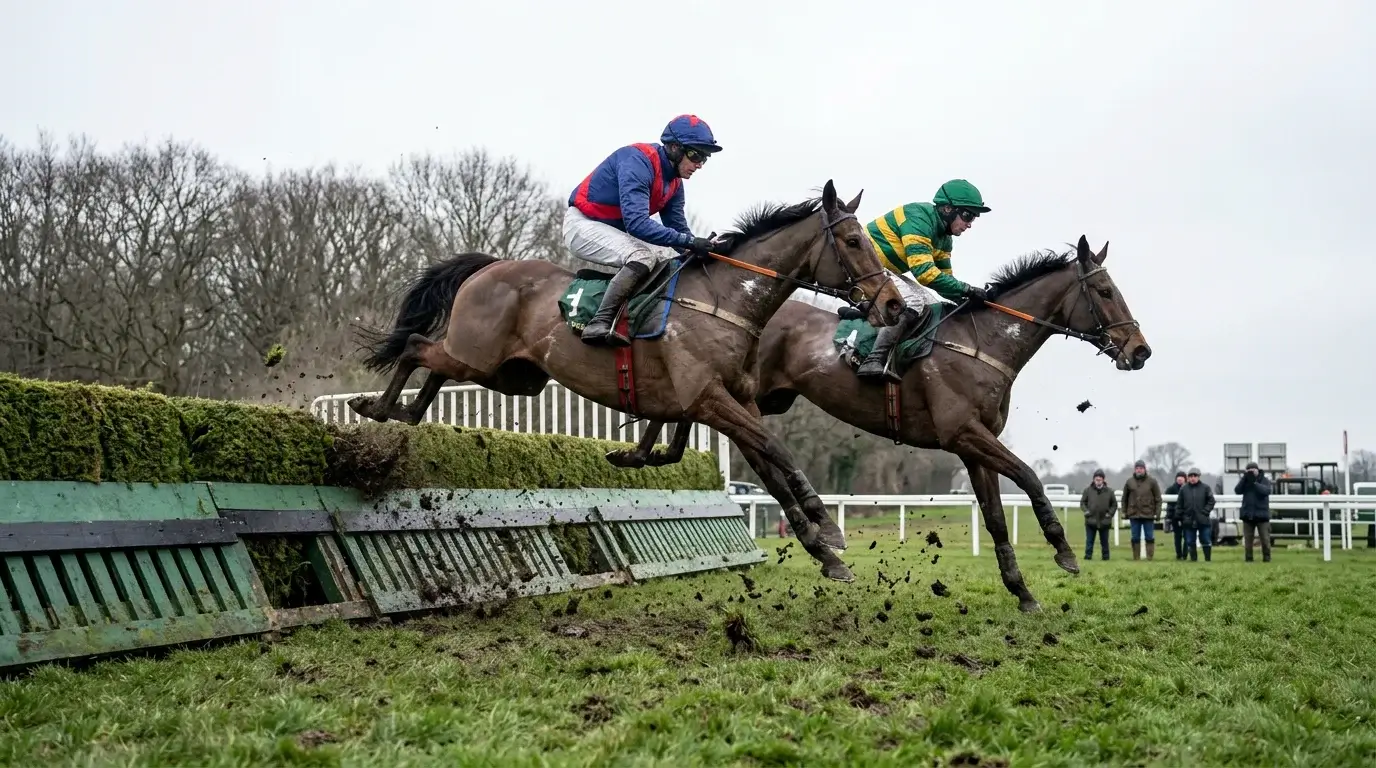
Windsor Hadn’t Seen Jump Racing for Twenty Years — Then the Winter Million Arrived
For two decades, Windsor’s racing calendar started in April and ended in October. The flat season filled the summer evenings; winter was silence. Regularly scheduled jump fixtures had not featured at the course since 1998, though Windsor briefly hosted National Hunt meetings on behalf of Ascot during its redevelopment in 2004 and 2005. Then, in December 2024, jump racing returned to the course — and a month later, the inaugural Berkshire Winter Million announced itself as one of the most ambitious new additions to the British racing calendar. The three-day festival in January 2025 attracted 13,170 spectators and distributed £1.2 million in prize money. For 2026, the purse has been increased to £1.25 million. Berkshire Winter Million at Windsor — More on this topic at windsor betting.
The Winter Million is not a modest experiment. It is a statement of intent by Windsor and its parent company ARC, designed to position the course as a serious winter venue and to fill the January gap in the National Hunt calendar between the Christmas fixtures and the spring festivals. For bettors, it opens an entirely new chapter at a venue previously associated only with summer flat racing.
December 2024: How the Festival Came Together
The return of jump racing to Windsor was not a spontaneous decision. It required infrastructure investment — the course needed obstacles, a modified track layout suitable for chasers and hurdlers, and the operational capacity to host winter meetings in conditions far removed from the temperate Monday evenings of the flat season. Windsor’s 2026 fixture list includes 22 flat meetings and four National Hunt fixtures — a ratio that reflects both the ambition and the caution of the reintroduction.
The timing was deliberate. December 2024 hosted the first jump fixture, giving the course and its team a trial run before the showpiece January festival. That December meeting served as a proof of concept: could Windsor’s figure-of-eight, designed for flat racing on an island constrained by the Thames, host competitive jump racing safely and attractively? The answer was affirmative, and the January festival proceeded as planned.
The co-promotion with Ascot — Windsor’s nearest high-profile neighbour — lent the Winter Million immediate credibility. Ascot’s involvement in the marketing and cross-promotion attracted a calibre of entry that a standalone launch might not have secured. The festival drew runners from major National Hunt yards, including several horses with Cheltenham and Aintree form, which in turn attracted the betting interest that makes a new event viable.
The ground conditions for the winter fixtures are fundamentally different from those that Windsor bettors encounter during the flat season. January meetings expect Soft or Heavy going as standard, and the figure-of-eight layout — designed for flat racing on fast ground — rides differently in winter. The crossing point, which is a mild inconvenience for flat horses on good ground, becomes a more significant test when the surface is holding and horses are jumping at speed. Adapting your form assessment to winter conditions is essential: speed figures from summer flat racing are irrelevant, and the emphasis shifts entirely to stamina, jumping ability, and proven form on testing ground.
Fleur De Lys Chase and the Supporting Card
The headline race of the inaugural Berkshire Winter Million was the Fitzdares Fleur De Lys Chase — a Class 2 steeplechase over two miles and six furlongs that immediately established itself as the festival’s centrepiece. Protektorat, trained by Dan Skelton and ridden by Harry Skelton, won the first running at Windsor by 23 lengths — a margin so emphatic that it left no ambiguity about the quality of the contest. The race had previously been run at Lingfield Park, and its relocation to Windsor brought a new identity and a prize fund worth over £165,000 to the winner.
The supporting card included hurdle races, novice chases, and handicap events across the three days, each carrying prize money well above the norm for a winter midweek fixture. The breadth of the programme ensured that the festival appealed to a range of betting interests — from the Grade 2 chase for punters who follow the top-level National Hunt form to the handicap hurdles for those who specialise in finding value in competitive fields.
For 2026, the card is expected to retain the Fleur De Lys Chase as its flagship and to expand the quality of the supporting races as the festival builds reputation. Early indications suggest that trainers who supported the inaugural event are likely to return, and the increased purse of £1.25 million should attract additional entries from yards that took a wait-and-see approach in year one.
What Jump Racing at Windsor Means for the Betting Market
The introduction of high-value jump racing at Windsor creates several new opportunities for bettors. The most immediate is the ante-post market. Feature races with prize funds in the six-figure range attract early betting interest, and the Winter Million’s January timing means ante-post markets can open in November — a two-month window for identifying value before the day-of-race prices harden.
The second implication is the availability of Tote pools of a size that Windsor’s flat meetings do not generate. A three-day festival with 13,000+ spectators produces pool betting volumes that support meaningful Placepot, Exacta, and Trifecta dividends. The Placepot across a six-race jump card at a festival attracts significantly more money than the equivalent pool at a Monday evening flat meeting, and the dividends — while potentially smaller per unit as a result — are more stable and predictable.
The broader funding context adds a layer. The HBLB allocated £66.9 million to prize money in 2024, with additional increases planned for 2026. Higher prize money attracts better horses, which attract more betting turnover, which in turn funds more prize money. The Winter Million is a direct beneficiary of this cycle: its purse would not be feasible without the Levy Board’s contributions, and its success helps justify continued investment. For the bettor, this means the quality of the fields at the Winter Million is likely to improve year on year as the economic incentives compound.
A third implication is the creation of new form lines specific to Windsor as a jump venue. The inaugural festival produced results that will feed into future assessments: how horses handled the figure-of-eight over jumps, which running styles proved effective on the winter surface, and whether the track favoured front-runners as emphatically over obstacles as it does on the flat. These are questions that the 2025 results began to answer and the 2026 festival will develop further. Punters who track the emerging jump-racing form at Windsor from year one will have a data advantage over those who arrive at the festival without that baseline. See also Windsor Staking Plans.
A New Entry in the Winter Calendar Worth Watching
As HBLB Chief Executive Alan Delmonte noted when announcing increased funding: the Board is pleased to be able to increase its prize money and regulatory funding, with continued support for the Great British Bonus scheme that underpins the sport’s development pathway. The Berkshire Winter Million is one tangible outcome of that investment: a new festival at a historic venue, carrying serious money, and attracting quality fields. Windsor’s new winter chapter is still being written — the second running will tell us whether the inaugural event was a one-off spectacle or the foundation of an annual fixture. Either way, it belongs on the calendar of any bettor who takes the winter jump season seriously.
