
 Available in US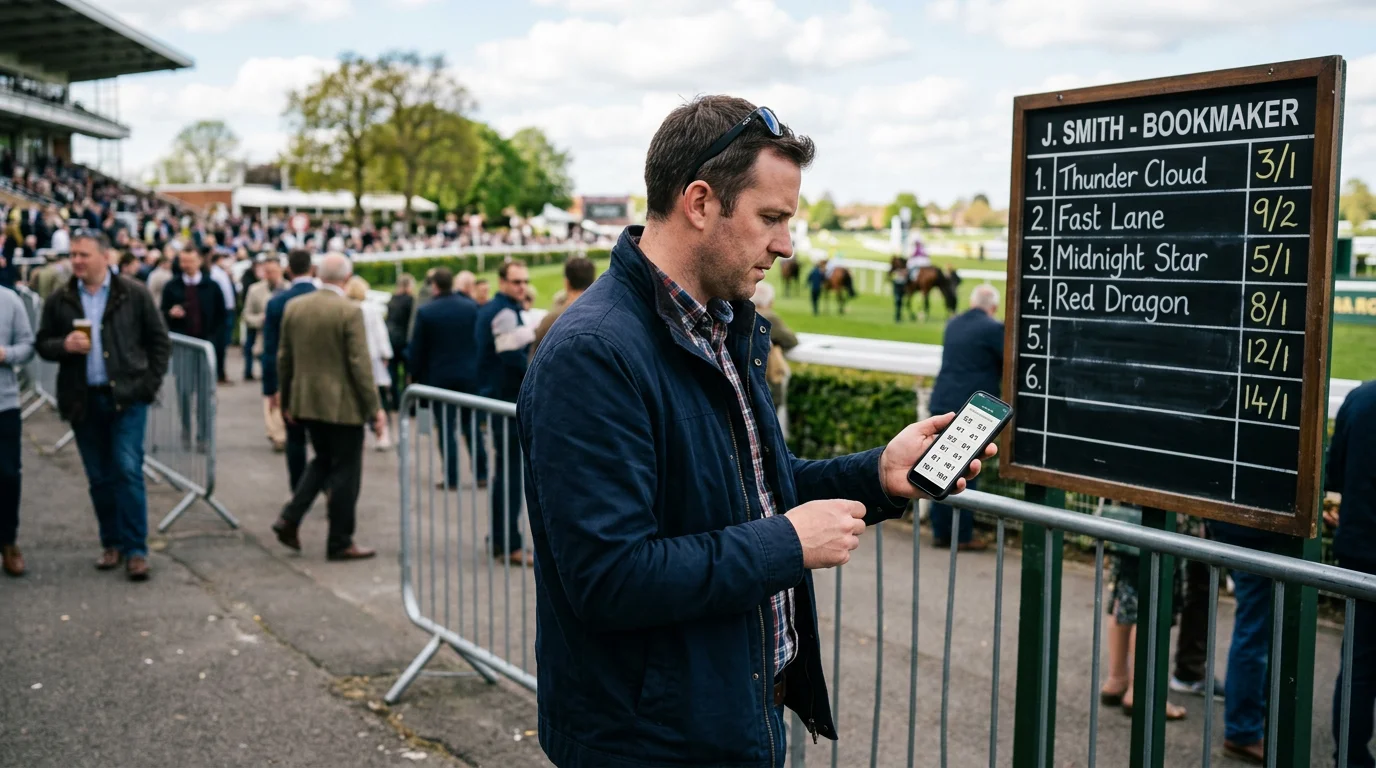
Value Isn’t About Picking Winners — It’s About Beating the Price
The most common misunderstanding in horse racing betting is the belief that successful punting means picking winners. It does not. Successful punting means backing horses at prices that overestimate the probability of them losing. A horse that wins one race in five is a losing proposition at 3/1 and a profitable one at 6/1 — the horse is the same; the difference is entirely in the price. Windsor Value Betting — More on this topic at windsor betting.
This distinction — between picking winners and finding value — is the single most important conceptual shift a bettor can make. The HBLB’s Annual Report recorded a Levy yield of £108.9 million for 2024/25, funded by the margin bookmakers extract from every bet placed. That margin exists because the odds offered are, on average, shorter than the true probability warrants. Value betting is the discipline of identifying the specific bets where the margin runs the other way — where the bookmaker has priced a horse too generously, and the odds are in your favour rather than theirs.
What “Value” Means in Betting: The Concept in One Example
Imagine a race at Windsor with eight runners. You assess one horse as having a 25% chance of winning — roughly one in four. The bookmaker prices it at 5/1, which implies a 16.7% chance (1 ÷ 6.0). Your assessment says 25%; the market says 16.7%. The gap between those two numbers is the value. If you are right about the 25% — not on this single race, but across dozens of similar assessments — backing this horse at 5/1 is a long-term profitable bet.
Here is the maths. At 5/1, a £10 bet returns £60 when the horse wins and loses £10 when it does not. If it wins 25% of the time: (0.25 × £50 profit) + (0.75 × −£10 loss) = £12.50 − £7.50 = +£5.00 expected profit per bet. That is a 50% return on investment per bet. You will lose three out of four times, but the one win more than compensates.
Now consider the same horse at 3/1 — implying a 25% chance, matching your assessment exactly. Expected profit: (0.25 × £30) + (0.75 × −£10) = £7.50 − £7.50 = £0.00. Breakeven. No value. At 2/1 — implying 33.3% — you are paying more than the horse is worth. The price makes the bet, not the horse.
Building a Tissue Price: Your Own Odds for a Windsor Race
A tissue price is your personal odds line for a race — your assessment of each runner’s probability of winning, expressed as odds. Professional punters build a tissue before looking at the bookmaker’s prices, to avoid being anchored by the market. Amateurs typically do it the other way around: they see the market price and then decide whether they agree. The professional approach is harder but more effective, because it forces you to form an independent opinion.
To build a tissue for a Windsor evening handicap, start by ranking the runners from strongest to weakest based on your form analysis — speed figures, class, going preference, draw, course form, trainer intent. Then assign a percentage chance of winning to each. The total must add up to 100% (your personal book has no overround). If you rank the top three as 30%, 20%, and 15%, the remaining five runners share 35% between them. Convert percentages to odds: 30% = 10/3 (roughly 3.33 decimal), 20% = 4/1, 15% = 11/2.
Now compare your tissue to the market. Where the bookmaker’s price is longer than your tissue, you have identified potential value — an overlay. Where the bookmaker’s price is shorter, the horse is an underlay — overpriced by the market relative to your assessment. The data from OLBG’s five-year Windsor stats illustrates this principle in practice: William Buick’s LSP of +15.57 from 32 wins suggests that Buick’s mounts were systematically underpriced by the market — the odds were longer than his true strike rate warranted. Identifying such patterns is tissue pricing in action, applied retrospectively.
Building a tissue takes practice. Your first few attempts will be rough, and your percentages will feel arbitrary. But the act of committing to numbers before seeing the market sharpens your judgment with each race. Over a season of Windsor meetings, the tissue becomes faster, more instinctive, and more accurate — and the gap between your assessment and the market’s becomes the raw material for long-term profit.
Where Overlays Appear Most Often at Windsor
Overlays at Windsor tend to cluster in specific conditions. The most common source is the lower half of the betting market in evening handicaps. Casual money — which dominates the on-course and online betting at Monday meetings — flows disproportionately towards the first three in the market: the horses with familiar names, recent wins, or prominent trainers. The horses priced at 10/1 and beyond receive less attention, and their prices are set with less precision. If your tissue gives a 12/1 shot a 12% chance of winning (fair price roughly 7/1), the market is offering you almost double your assessed value.
The second common source is horses with strong Windsor-specific form that the national market does not weight heavily enough. A horse with two places from three Windsor starts on soft ground, trained by a local yard and drawn in a favourable stall, may be priced at 8/1 because its recent form at other courses is unremarkable. Your tissue, which factors in course form and draw, might assess it at 5/1. The 8/1 is the overlay — and it exists because the market prices on general form while your assessment incorporates Windsor-specific data.
The third source is first-time headgear on a horse whose running style suggests it will benefit from the equipment. The market often underreacts to first-time blinkers or a visor on a horse that has been finishing lazily — a trait that Windsor’s short home straight punishes harshly. If the headgear sharpens the horse’s effort in the final furlong, the improvement can be dramatic, and the price may not fully reflect that possibility.
A fourth, less obvious source of overlays at Windsor emerges from going changes. When the official going shifts between the morning declaration and the first race — from Good to Firm to Good, or from Good to Good to Soft — the market adjusts slowly. Horses with strong form on the revised going may still be priced at odds that reflected the original declaration. If you monitor the going updates and reassess the field before the off, you can sometimes identify runners whose chances have improved without a corresponding shortening in their price. The Thames basin’s reactive topsoil makes mid-evening going changes more common at Windsor than at most courses, which means this overlay source appears regularly throughout the season. See also Responsible Gambling at Windsor.
Value Is a Discipline, Not a Tip
Nobody can tell you which horse is value tonight. Value is not a property of the horse — it is a property of the price, and the price changes by the minute. What you can develop is the discipline of forming your own opinion before the market forms it for you, comparing your tissue to the available odds, and betting only when the difference is in your favour. Beating the price, not the race — that is the foundation of long-term profitability at Windsor, and it starts with the willingness to build a tissue and trust your own numbers.
